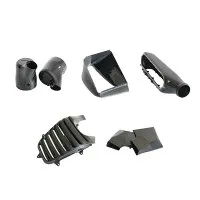
The carbon fiber commercial drone market has grown rapidly over the past decade, evolving from niche technology into a mainstream tool across various industries. What started as a device primarily for hobbyists has transformed into a versatile tool used to boost efficiency, reduce costs, and improve safety. From agriculture to construction, drones are becoming an integral part of operations Worldwide . Este blog explora as tendências, oportunidades, desafios e potencial de crescimento futuro do mercado de drones comerciais .
Visão geral do mercado atual
Atualmente, o mercado global de drones comerciais está avaliado em bilhões de dólares, com analistas prevendo um crescimento significativo nos próximos anos . de acordo com os recentes relatórios de mercado do BCC deverão atingir US $ 24 .} 0 bilhão até 2029, crescendo em um CAGR de 13,8%.
Principais fatores de crescimento
1. avanços tecnológicos
One of the biggest drivers behind the rise of the commercial drone market is the continuous improvement in drone technology. Today's drones are equipped with high-resolution cameras, thermal sensors, GPS systems, and artificial intelligence, which enable them to perform a wide range of tasks. These features make drones more capable, versatile, and suitable for various industry-specific Aplicações .
2. desenvolvimentos regulatórios
Governments across the world have recognized the potential of drones and are working to establish regulations that facilitate their safe and widespread use. Regulatory bodies such as the Federal Aviation Administration (FAA) in the United States and the European Union Aviation Safety Agency (EASA) in Europe have created frameworks that allow companies to integrate drones into their operations while ensuring safety and privacy standards. The easing of As restrições, particularmente em torno das operações de linha visual da linha de visão (BVLOS), abriram novas oportunidades para aplicações comerciais de drones .
3. custo-efetividade e eficiência
Drones have proven to be a cost-effective solution compared to traditional methods of inspection, monitoring, and data collection. For example, using drones for aerial surveys can save companies time and resources that would otherwise be spent on manned aircraft or on-the-ground inspections. Industries like agriculture, mining, and energy are seeing increased efficiency, which translates into reduced operational costs and increased produtividade .
Principais aplicações da indústria
1. Agricultura
Na agricultura, drones são utilizados para monitoramento de culturas, agricultura de precisão e aplicação de pesticidas. Eles ajudam os agricultores a coletar dados em tempo real, o que lhes permite tomar decisões informadas sobre irrigação, fertilização e manejo de pragas. Isso resulta em maiores rendimentos de safra e uso mais eficiente de recursos.
2. Construção e imóveis
Construction companies use drones to survey sites, monitor progress, and conduct inspections. Drones can quickly capture high-resolution images and videos of construction sites, providing valuable insights into the status of projects. In real estate, drones are used to create aerial footage of properties, offering potential buyers a unique view of the area and its surroundings.

3. energia e utilitários
Drones are increasingly used in the energy sector for inspecting power lines, wind turbines, and solar panels. Traditionally, these inspections were done manually, requiring workers to climb towers or use helicopters, which was both dangerous and costly. Drones make these inspections safer, faster, and more cost-effective, while also enabling companies to gather precise data for predictive Manutenção .
4. logística e entrega
Uma das aplicações mais comentadas de drones é no setor de logística e entrega. Empresas como Amazon, UPS e DHL estão testando serviços de entrega com drones para entregas da última milha. Embora ainda existam desafios regulatórios, o potencial para entregas mais rápidas, baratas e ecologicamente corretas está impulsionando investimentos nessa área.

Drones comerciais de fibra de carbono: tendências futuras
1. integração de IA e aprendizado de máquina
The future of commercial drones will be driven by the integration of artificial intelligence (AI) and machine learning (ML). These technologies can enable drones to make autonomous decisions, analyze data in real time, and optimize operations. For example, AI-powered drones can detect patterns in crop health or identify defects in infrastructure, making them even more valuable for industry Aplicações .
2. Expansão das operações do BVLOS
À medida que os corpos regulatórios se tornam mais confortáveis com a tecnologia de drones, podemos esperar ver uma expansão de operações além da linha de vista visual (BVLOS) ., isso permitiria que os drones cubassem áreas maiores e realizassem missões mais complexas, como serviços de entrega de longa distância ou monitoraria sites industriais remotos.
3. emergência da mobilidade do ar urbano (UAM)
Urban Air Mobility (UAM) refers to the concept of using drones for passenger transport within cities. While still in the early stages of development, UAM has the potential to revolutionize urban transportation. Companies like Uber and Airbus are exploring the feasibility of drone taxis, which could reduce traffic congestion and provide an alternative mode of transport in busy metropolitan áreas .
O mercado de drones comerciais está em uma trajetória ascendente, impulsionada por avanços tecnológicos, suporte regulatório e a crescente demanda por soluções econômicas em vários setores ., enquanto ainda há desafios a serem supostos, como o custo de regulamentação e as preocupações e as preocupações de segurança e as preocupações de segurança são que o futuro é que o futuro é mais promissor; Edge em suas respectivas indústrias .
À medida que a tecnologia continua a evoluir, o mercado de drones comerciais oferecerá ainda mais oportunidades de inovação, tornando -o um espaço emocionante para assistir nos próximos anos ., à medida que a tecnologia continua a evoluir, o mercado de drones comerciais oferece ainda mais oportunidades de inovação, tornando -o um espaço emocionante para assistir nos próximos anos .} xinbo compósitos Desenvolvimento .